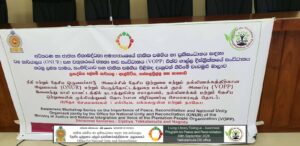
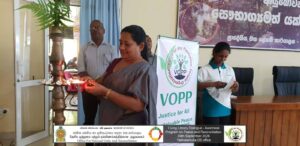
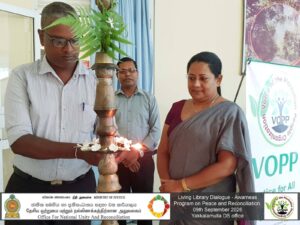
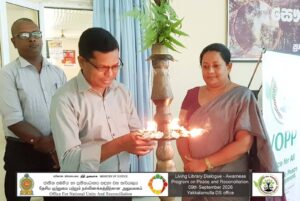
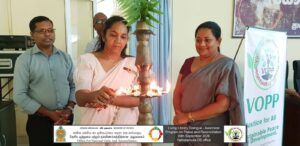
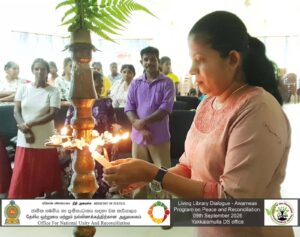
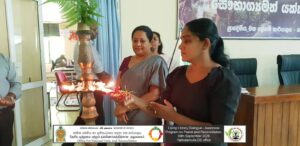
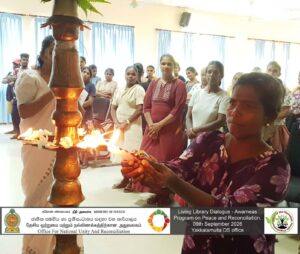
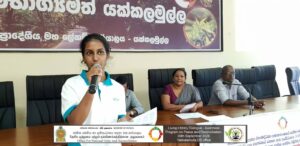
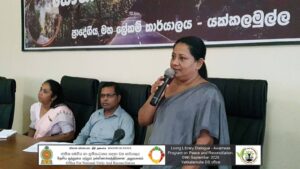
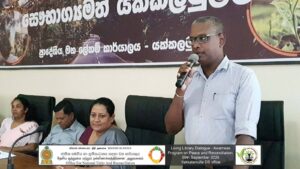
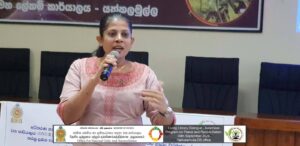
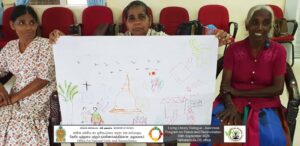
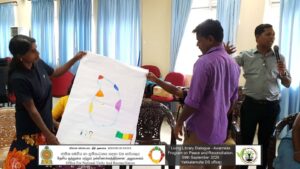
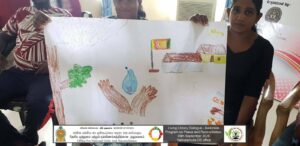
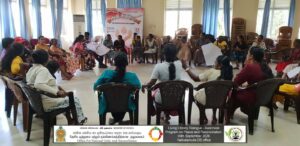
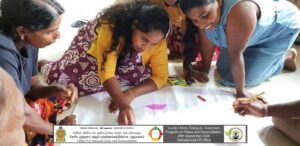
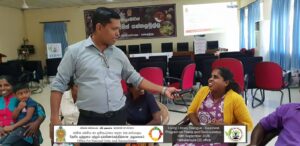
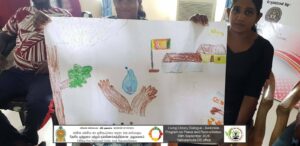
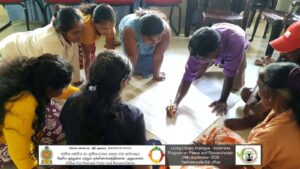
The second workshop in the series on the “Importance of Peace and Reconciliation” was successfully held on 9 September 2026 at the Auditorium of the Yakkalamulla Divisional Secretariat, under the project titled “Ensuring the Rights of the Malaiyaha Community through Inclusive Approaches for Peace and Social Cohesion among the Sinhala, Muslim and Malaiyaha Tamil Communities.”The project is jointly implemented in the Galle District by the **Office for National Unity and Reconciliation (ONUR) of the Ministry of Justice and National Integration and the Voice of the Plantation People Organization (VOPP).
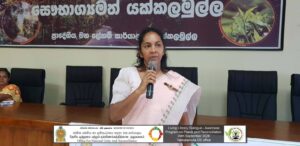
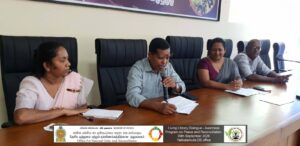
The workshop was held under the leadership of Mrs. Rasanjani, Divisional Secretary of Yakkalamulla. Mr. Dasun Weerasinghe, District Coordinator for National Integration, representing the District Secretariat and the Bope-Poddala Divisional Secretariat, participated as a special guest.
The Divisional Secretary and Mr. Dasun Weerasinghe shared their views and experiences with the participants on the importance of peace, reconciliation and building unity among different communities. They emphasized the need for all communities to work together to build mutual understanding, trust and cooperation among people of different ethnic and social backgrounds.
Mrs. U.G.M. Madhuwanthi, National Integration Development Officer of the Yakkalamulla Divisional Secretariat, provided her full support in organizing the programme as a government official. She also shared insights on the positive outcomes and importance of different communities living together in harmony.
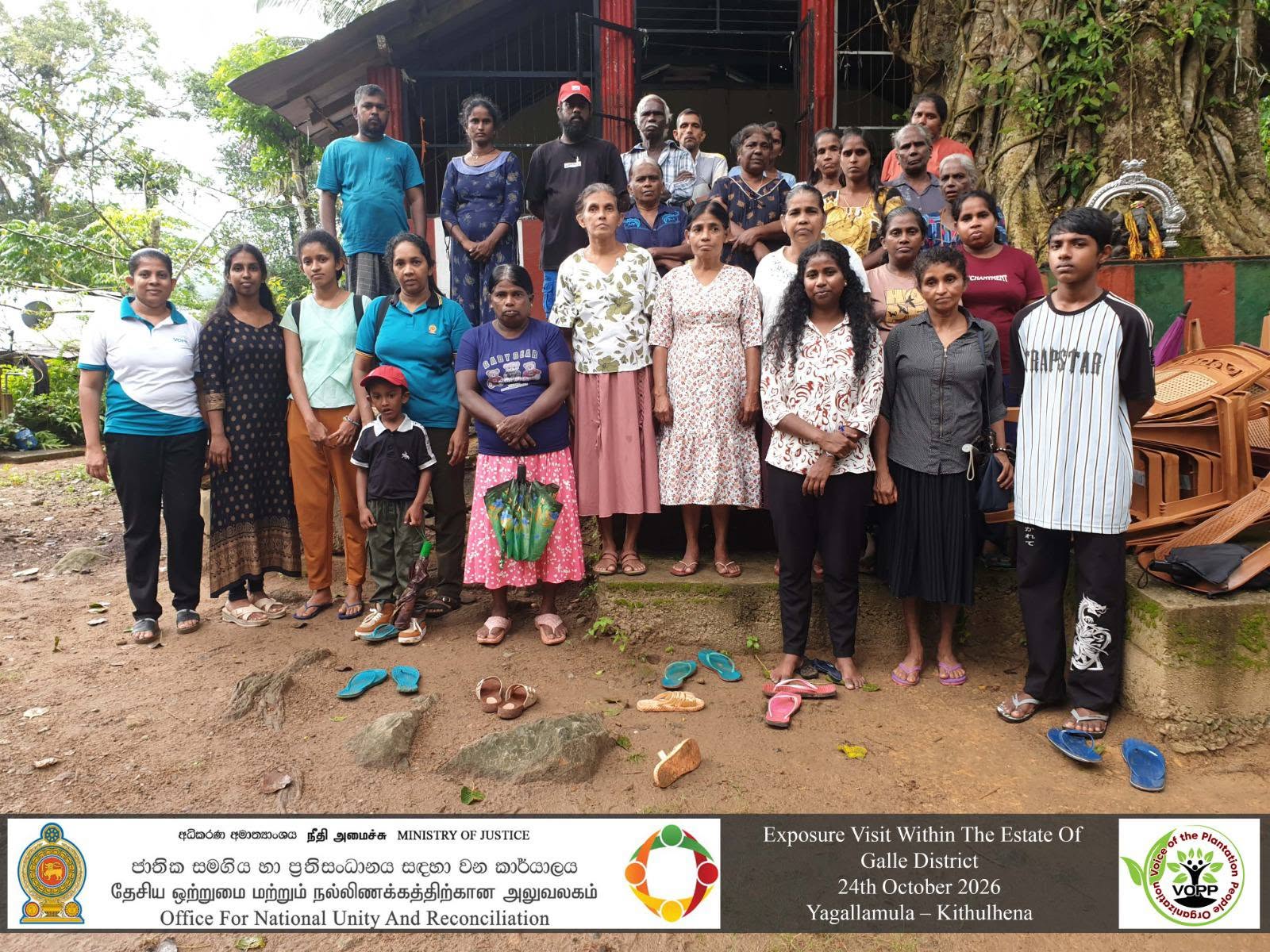
A total of 32 participants attended the workshop, including 15 members representing the Sinhala community from the Sahajeewana Foundation in the Yakkalamulla Divisional Secretariat area and 18 members representing the Malaiyaha Tamil community.
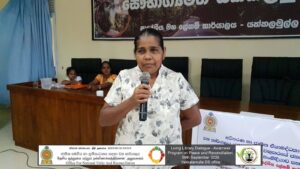
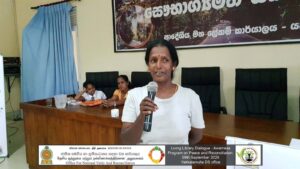
The workshop created an opportunity for direct dialogue and exchange of views between the Sinhala and Malaiyaha Tamil communities. This helped strengthen friendly relations and mutual understanding between the two communities. Participants also had the opportunity to learn about each other’s life experiences, day-to-day challenges, social backgrounds and identities.
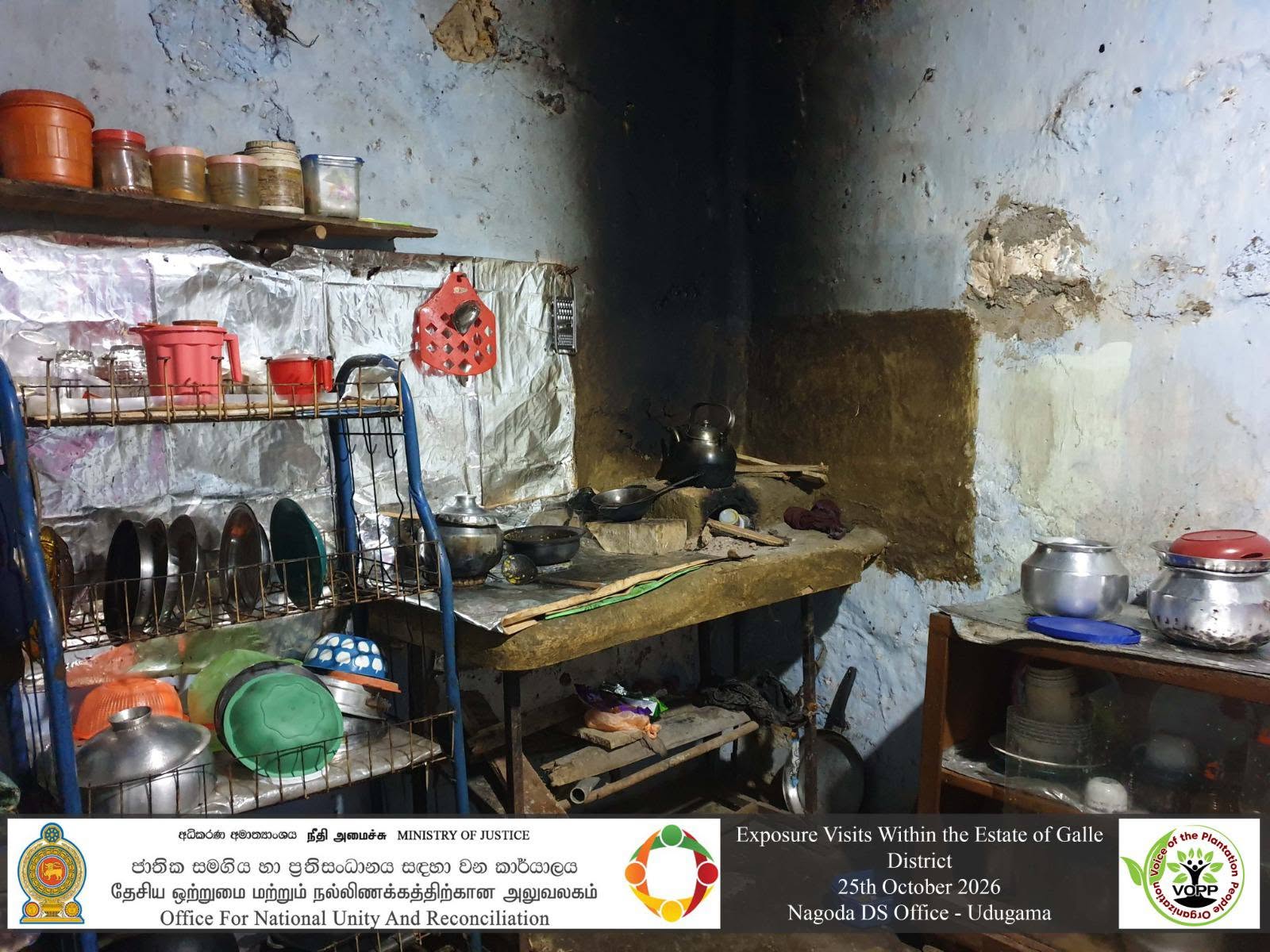
In particular, the workshop provided an important opportunity for Sinhala participants who had previously had limited knowledge about the Malaiyaha community and the living conditions they face to gain a deeper understanding of the history, lived experiences and current challenges of the Malaiyaha people.
Participants also expressed that the discussions helped reduce the social distance that had existed between the Sinhala and Malaiyaha Tamil communities and contributed to developing greater understanding, respect and appreciation for one another.
Mr. Anthony Jesudasan, Executive Director of VOPP, served as the resource person for the workshop. Mrs. Lavina Hasanthi, Programme Director of VOPP; Ms. V. Priyadarshini, National Programme Coordinator; and Ms. K. Harshani, Galle District Coordinator, together with the VOPP team, provided the necessary support for the successful implementation of the programme.
VOPP extends its sincere appreciation to the Chairman of ONUR, the Director General of ONUR, the Divisional Secretary of Yakkalamulla and all officials of ONUR and the Yakkalamulla Divisional Secretariat** for their valuable cooperation and support in making this programme a success.
VOPP also extends its special appreciation to Mr. Dasun Weerasinghe, District Coordinator for National Integration, and Mrs. U.G.M. Madhuwanthi, National Integration Development Officer of the Yakkalamulla Divisional Secretariat, for their valuable contribution and support.
The workshop provided participants with a clear understanding of the importance of strengthening mutual understanding, trust, respect and social cohesion between the Sinhala and Malaiyaha Tamil communities. It also facilitated a meaningful exchange of ideas on practical actions that can be taken at the community level to reduce social distance and build a peaceful and cohesive society based on respect for each other’s experiences, identities and rights.
The workshop can be considered an important step towards strengthening peace, reconciliation and social cohesion through direct dialogue, mutual understanding and meaningful engagement between communities.